
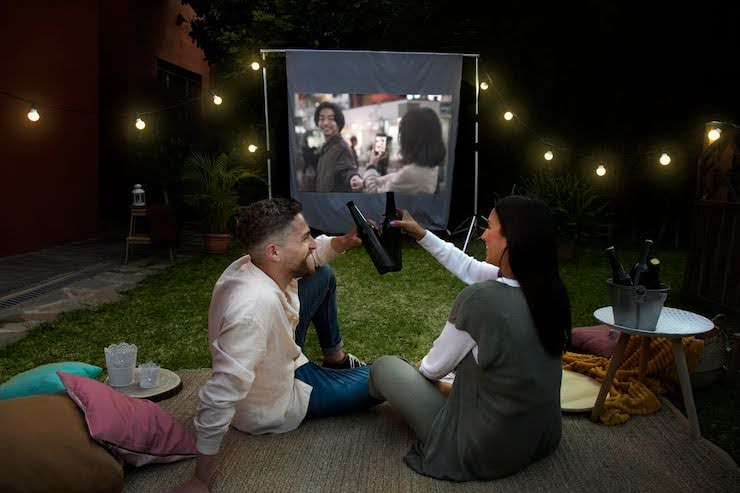
Many outdoor areas, whether a backyard, patio, or garden, can easily feel like one large, undefined space. This often leaves them underused and makes it harder to relax, entertain, or even move around safely at night. Layered lighting offers a simple yet effective solution. It works by combining different types of illumination, each with a specific role. When these layers come together, they naturally shape your outdoor space into distinct zones that feel intentional and practical, giving every corner a clear purpose.
In this blog, we’ll explore how zoning with layered lighting works, why it has become an essential element in modern outdoor design, and practical ways to use it to bring both beauty and function to your own space.
Outdoor Lighting Zoning: A Clear OverviewLayered outdoor lighting combines ambient, task, and accent lighting to define functional zones while creating depth, comfort, and visual harmony. Dining areas benefit from focused table lighting, lounges from soft illumination, pathways from glare-free safety lighting, and gardens from strategic accents. Smart controls add flexibility through dimming, scheduling, color adjustment, and remote access. Avoiding over-lighting, glare, inconsistent color temperatures, and poorly directed fixtures helps maintain a comfortable, cohesive, and environmentally considerate outdoor space. |
What Is Zoning in Outdoor Lighting?
Zoning in outdoor lighting refers to the practice of dividing your outdoor space into distinct areas, each with its purpose, and then using different types of lighting to highlight and support those functions.
For example, you may have one zone for outdoor dining, another for lounging, and a third for garden pathways. Each of these areas has different layered lighting needs. By applying the right light intensity, angle, and style, you can ensure each zone feels distinct yet still part of a unified whole. Using thoughtful zoning and controls can prevent unnecessary brightness, helping you reduce light pollution – a benefit you can explore more in our guide: 7 Ways to Improve Your Outdoor Lighting System and Help Reduce Light Pollution.
The Three Layers of Outdoor Lighting
The backbone of zoning is understanding the three layers of light:
Ambient Lighting
Ambient lighting, sometimes called general lighting, is the base layer. It provides the overall glow that makes your space usable and comfortable after dark. Think of it as the background light that sets the tone for everything else. Examples of ambient lighting outdoors:
- Wall-mounted sconces
- Overhead fixtures
- Post lights
- String lights
Pro Tip: Keep ambient lighting warm and soft (2700K–3000K). Harsh, cool light can make outdoor spaces feel sterile or commercial instead of cozy.
Task Lighting
Task lighting is all about purpose-driven illumination. These are the lights that make specific activities easier and safer. Whether you’re cooking on an outdoor grill, walking up the steps to your porch, or walking on a garden path, task lights are your helpers. Examples of Task Lighting Outdoors:
- Pathway lights
- Step lights or deck lights
- Pendant or under-counter lights
- Directional spotlights
Accent Lighting
Accent lighting is the layer that adds style, depth, and personality. If ambient lighting is the base coat of paint and task lighting is the detailing, accent lighting is the artwork that makes everything pop. It highlights architectural features and showcases landscaping. Examples of accent lighting outdoors:
- Uplighting
- Downlighting or moonlighting
- Spotlights
- Underwater lights
Balancing these three layers of light creates depth and dimension. Too much ambient lighting can wash out the atmosphere, while neglecting accent lighting can make the space feel flat. The art is in the balance.
Bring Your Landscape to Life After Dark
Defining Zones Through Strategic Light Placement
Once you understand the layers of light, you can apply them to each zone in your yard. Here are common zones and how to light them:
Dining Area
For an outdoor dining space, combine warm ambient lighting (like a hanging pendant or string lights) with focused task lighting over the table. A few subtle accent lights around the perimeter can add depth without making it feel like a spotlighted stage.
Lounge Area
Use low-level ambient lighting such as lanterns, floor lamps, or recessed deck lights to create a cozy, intimate mood. Accent lighting, like uplights on nearby trees or wall-wash lighting, can enhance the ambiance without being distracting.
Pathways and Entrances
As per NCBI, safety is the priority here. Low-voltage path lights, step lights, and subtle bollard fixtures guide people without causing glare. Keeping lights shielded downward prevents light pollution while still ensuring visibility.
Garden Beds and Landscaping
Accent lighting is the star here. Spotlights or in-ground lights can highlight trees, flower beds, or water features. Layering uplights and downlights creates contrast and makes the landscape look dynamic even at night.
Outdoor Kitchen or Barbecue Zone
Intense task lighting is essential over prep and cooking surfaces. Combine this with softer ambient lighting for the seating area so that the cooking zone feels functional but not harsh.
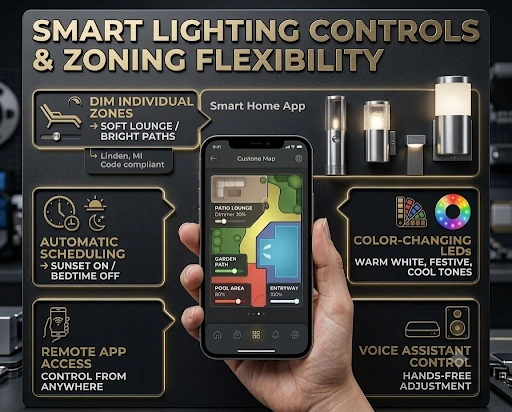
Smart Lighting Controls and Zoning Flexibility
One of the biggest advancements in outdoor layered lighting is the rise of smart controls. With them, zoning becomes effortless. This flexibility means you don’t have to commit to just one mood. Your lighting can adapt instantly to whatever the evening calls for.
Dim individual zones:
As per the Linden, Michigan Code of Ordinances, lounge areas can use softer lighting while pathways are kept brighter to support visibility and safety.
Scheduling:
Program lights to turn on at sunset and off at bedtime automatically.
Color-changing LEDs:
Adjust colors for different moods, warm white for relaxation, festive colors for parties, or cool tones for modern aesthetics.
Remote access:
Control your lights from a phone app or voice assistant, even when you’re not home.
Common Mistakes to Avoid in Zoning with Light
Even with the best intentions, some designs fall short. Here are common mistakes to watch for:
Over-Lighting: Too much brightness can feel harsh, increase energy costs, and contribute to light pollution.
Poor Placement: Fixtures placed at eye level may cause glare and discomfort.
Mixing Color Temperatures: Using cool white in one zone and warm yellow in another can make the space feel disconnected. Stick to a consistent tone for harmony.
Neglecting Controls: Without dimmers or innovative options, your space may feel inflexible.
Ignoring Neighbors and Nature: Unshielded lights may shine into neighbors’ windows or disrupt wildlife. Shielded fixtures and downward lighting are always better.
Conclusion
When it comes down to creating a cozy outdoor space for the family, it’s not just about the chairs, plants, or grill; it’s about how the lighting makes everyone feel. With layered lighting, you can mix different layers of light to set the right mood in your backyard, patio, or garden, perfect for enjoying a quiet evening under the stars or a lively weekend cookout.
If you’re looking for more ideas, TridentPro LIGHTING can inspire you. We have plenty of family-friendly tips to make your nights outdoors even more special.
Smart light layering brings structure, depth, and purpose to outdoor spaces.
Frequently Asked Questions About Outdoor Lighting Zoning
How do I plan an outdoor lighting layout?
Start by mapping seating, dining, pathways, entrances, landscaping, and activity areas. Then identify where visibility, ambiance, or visual emphasis is most important.
How can I make outdoor lighting look professional?
Use concealed wiring, consistent fixture styles, carefully aimed beams, balanced brightness, and strategic placement. Professional designs also avoid making individual fixtures the visual focus.
Should outdoor lights be installed before or after landscaping?
Ideally, lighting should be planned alongside landscaping. This allows fixtures, wiring, trees, and planting beds to work together without requiring disruptive installation later.
How can I hide outdoor lighting wires?
Low-voltage landscape lighting cables can typically be routed through shallow trenches, beneath mulch, or behind planting areas to keep them visually unobtrusive.
What type of outdoor lighting is easiest to maintain?
LED fixtures are generally practical because they use less energy and have long operating lifespans. Choosing durable, weather-resistant fixtures also reduces maintenance requirements.